3D printing has revolutionized the way we manufacture, design, and experiment with new materials. However, one of the most common challenges in ensuring high-quality prints is protecting 3D printing filaments from moisture. This silent enemy can deteriorate materials and ruin your projects. In this article, we will explore how you can combat moisture using silica gel and other methods to keep your filaments in perfect condition.
Why Are 3D Printing Filaments Sensitive to Moisture?

Filaments such as PLA (polylactic acid), ABS (acrylonitrile butadiene styrene), and other technical materials are hygroscopic. This means they absorb moisture from the environment, which can cause:
- Deformations: Changes in the filament’s structure.
- Bubbles: Formed during the heating of the material.
- Clogs: Blockages in the extruder that affect print quality.
- Poor adhesion: Problems when bonding layers, compromising strength and finish.
Protecting your filaments not only improves results but also extends their lifespan.
What is Silica Gel and How Does It Protect Your Filaments?
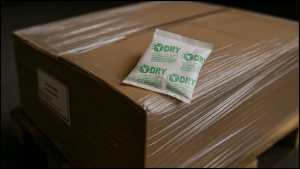
Silica gel is a desiccant material made from amorphous silica that has a porous structure designed to adsorb moisture. Its ability to capture and retain water from the environment makes it an indispensable tool for protecting your 3D printing filaments.
Key advantages of silica gel:
- Rapid adsorption: Eliminates excess moisture in enclosed spaces.
- Reusable: Silica gel bags can be regenerated by heating them.
- Versatility: Perfect for storage boxes and work environments.
If you want to learn more in-depth about silica gel, read this article (What is silica gel?)
Effective Methods to Protect 3D Printing Filaments

Storage in Airtight Containers:
Use plastic boxes with airtight seals and place silica gel bags inside. These bags keep moisture to a minimum, creating a dry environment.

- Vacuum-Sealed Bags:
Store your filaments in airtight bags and remove the air with a vacuum pump. Add a silica gel bag for extra safety.

- Control of Printing Environment (Humidity):
Keep your workspace at low relative humidity levels (ideally below 40%). Use digital hygrometers to measure humidity in your storage areas.

- Silica gel to control humidity:
If humidity levels are above the recommended levels, use silica gel inside the container where you store the filaments to protect them.
Benefits of Protecting Your Filaments with Silica Gel

- Higher Quality Prints: No bubbles or deformations, you will achieve more precise results.
- Long-Term Savings: You will avoid material waste due to damaged filaments.
- Extended Lifespan: Filaments will maintain their integrity for longer.
- Less Maintenance: You will reduce the frequency of cleanings and repairs on your 3D printer.
Silica gel is a simple yet powerful solution to combat humidity, the most persistent enemy of 3D printing filaments. Implementing proper storage and humidity control not only improves printing performance but also helps you save time and money.
Don’t let humidity ruin your projects. Follow these recommendations and get ready to enjoy flawless prints every time you turn on your 3D printer.
Filaments we recommend
These recommendations are a small selection from the vast array of filaments available in the market, based on those we have used that have worked great for each of their characteristics.