Humidity control is essential in chemical and pharmaceutical laboratories, where even the slightest amount of moisture can alter the stability of samples and products or compromise the performance of delicate equipment. Desiccants, substances capable of removing moisture from the environment, are a crucial tool in these settings. Throughout this post, we will explore how desiccants such as silica gel, calcium chloride, zeolites, and bentonite gel can enhance the preservation of materials and optimize processes in laboratories.
What is a Desiccant and Main Types?
Desiccants are materials with a high affinity for water, used to reduce humidity in their environment. In chemical and pharmaceutical laboratories, these materials are essential for maintaining controlled working conditions, protecting everything from reagents to sensitive equipment.
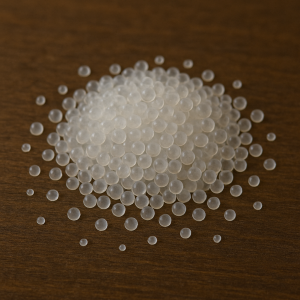
- Silica Gel: This desiccant adsorbs moisture thanks to its microporous structure and is ideal for protecting sensitive samples and reagents during storage.
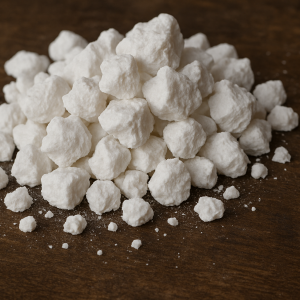
- Calcium Chloride: It is extremely effective at absorbing large amounts of water, turning into a liquid saline solution. It is useful in desiccators and for drying gases in experiments.
- Zeolites: These are molecular sieves that trap small molecules, such as water, and are used in gas purification and humidity control in more specific environments.
- Bentonite Gel: An economical desiccant used in applications where protection against moisture does not require as rigorous control as other desiccants.
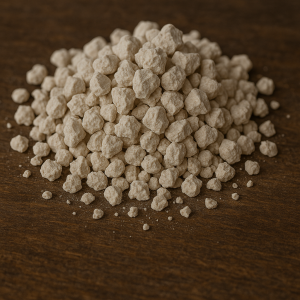
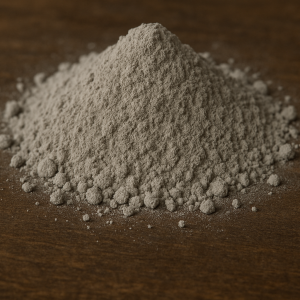
How to Choose the Right Desiccant for Chemical and Pharmaceutical Laboratories: Quick Guide
Selecting the right desiccant is key to preserving the quality and safety of moisture-sensitive products, especially in sectors such as pharmaceuticals and food. In this guide, we provide the essential criteria for making an informed decision tailored to the actual needs of laboratories and production centers.
1. Absorption Capacity and Speed
Desiccants vary in their ability to absorb moisture, which directly influences their effectiveness depending on the environment of use.
Calcium Chloride: can absorb up to 300% of its weight in water. It is ideal for conditions with high relative humidity, such as unconditioned warehouses or coastal areas.
Silica Gel: absorbs about 30% of its weight. Although its capacity is lower, it can be regenerated by heating, making it a sustainable and cost-effective option in controlled humidity contexts.
Application Example:
In a laboratory where highly moisture-sensitive lyophilized products are stored, calcium chloride is effective in immediately reducing humidity. In contrast, if the stored products have moderate sensitivity and there is an air conditioning system, silica gel proves to be more economical in the long term.
2. Environmental Conditions
The environment in which products are stored directly influences the choice of desiccant.
Moderate Environments: silica gel is usually sufficient to keep materials protected.
High Humidity Environments: in humid geographical areas or spaces without environmental control, it is advisable to use desiccants with greater capacity such as calcium chloride or zeolites.
Application Example:
A pharmaceutical laboratory located near the sea requires stricter control of environmental humidity. In these cases, calcium chloride offers superior performance by preventing the degradation of sensitive active ingredients.
3. Reusability and Maintenance
Operating costs should also be considered, especially in laboratories with intensive use of desiccants.
Silica Gel and Some Zeolites: allow regeneration through heating, significantly reducing costs in the medium and long term.
Calcium Chloride: must be replaced once saturated, which may require frequent replenishment in demanding environments.
Application Example:
In a laboratory with intensive use of reagents, opting for reusable silica gel allows for humidity control without incurring constant replenishment costs.
4. Compatibility with Materials
It is essential to ensure that the desiccant does not chemically interact with the stored products.
Bentonite: being less reactive, it is suitable for preserving biological samples or materials sensitive to cross-contamination.
Silica Gel and Zeolites: offer greater stability in environments with active chemical substances, without releasing contaminants or altering the composition of the products.
Application Example:
To store biological samples such as tissues or enzymes, bentonite is an effective solution due to its neutrality. In pharmaceutical production, where active ingredients may be affected by moisture or salts, silica gel provides robust and safe protection.
At Ydry we develop specific desiccant solutions for the pharmaceutical and food industries, complying with European regulations and offering customized options for each type of application.
More information available on our desiccant solutions for pharma and food page.
Practical Examples of Desiccant Use in Laboratories.
One area where desiccants are essential is in chemical synthesis that requires dry atmospheres, such as in Grignard or Wittig reactions, where water can decompose active reagents and alter the reaction results. By using dryers with silica gel or calcium chloride, chemists can ensure that the gases used in the reactions are completely dry, guaranteeing the purity and effectiveness of the reactions.
Example: A laboratory conducting advanced organic synthesis might use a gas drying system with calcium chloride to ensure that the reaction environment remains dry. This is especially crucial when synthesizing reactive intermediate compounds that can decompose in the presence of water.
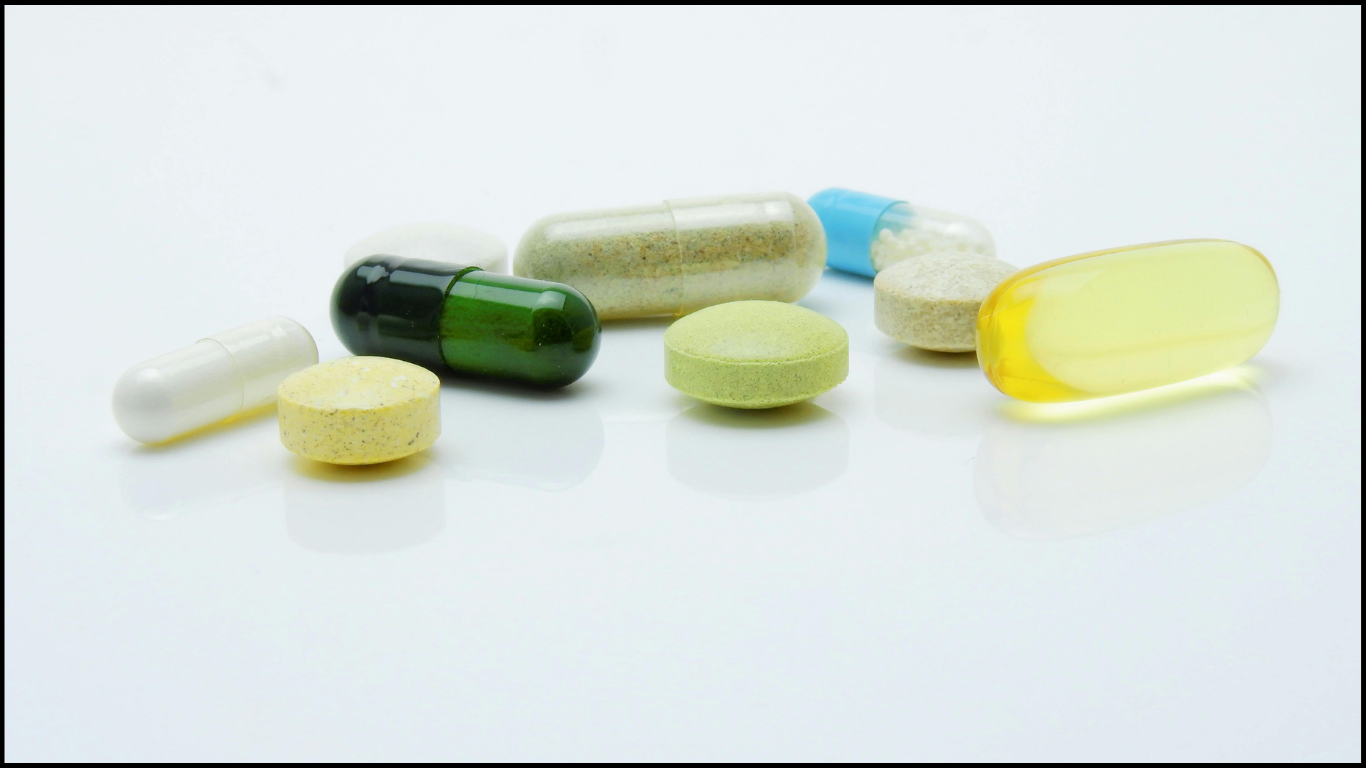
Medications, particularly solid products like tablets and capsules, are extremely sensitive to moisture. Exposure to humid environments can cause tablets to disintegrate prematurely or gelatin capsules to soften and lose their shape. Pharmaceutical laboratories employ desiccants like silica gel in medication packaging to prevent these issues.
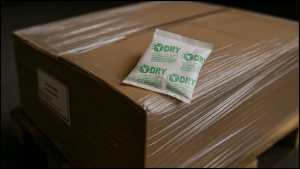
Example: A pharmaceutical plant producing gelatin-encapsulated medications might include silica gel packets in the primary packaging to maintain product stability during storage and transport. This ensures that the medication retains its physical and chemical integrity until it reaches the consumer.
In laboratories handling biological samples, such as tissues or fluids, moisture can alter the integrity of the samples, promoting microbial proliferation or causing material degradation. Bentonite is used in low-cost storage chambers to maintain a dry environment, especially under conditions where samples must be preserved for long periods.
Example: A research laboratory storing DNA samples for long-term genetic studies may use bentonite gel in its storage chambers to maintain optimal preservation conditions.
Selecting the right desiccant can be the difference between success and failure in a chemical or pharmaceutical laboratory. At YDRY, we ensure that we have the best products