When shipping goods by sea, it is crucial to make sure products arrive in optimal condition, especially when they face humid conditions during transport. This is where desiccants such as silica gel and clay. In this article we briefly discuss how these desiccants can protect your cargo and ensure its integrity during ocean shipments.
Preparing an ocean shipment?
We tell you which desiccant to use (Clay or silica gel) and how much, based on the cargo, the container and the route, with no obligation.
Calculate desiccants for my shipmentSection 1: what are silica gel and Clay and how do they work?
- Explanation of silica gel: it is a mineral in bead form, with a porous internal structure able to adsorb moisture by polarity, keeping the absorbed moisture inside without spilling liquid.
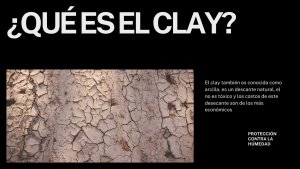
- Description of clay (clay): how it acts as a desiccant agent and absorbs moisture; unlike silica gel, it has no active agent that attracts moisture on its own, and it retains moisture without spilling liquid, although it takes on a muddy texture.
Section 2: advantages of using desiccants in ocean shipments
Moisture during ocean transport can cause serious damage to goods. Common problems include mold, metal corrosion and loss of quality in products such as food and electronics.
Impact of moisture: Moisture can encourage the growth of mold and fungi in food, paper and textiles. It can also cause metal corrosion and the degradation of materials such as wood and plastics.
How moisture affects goods:
- Mold and fungi: Loss of quality and irreparable damage.
- Corrosion: Risk for products containing metals.
- Material degradation: Problems in moisture-sensitive materials.
Prevention with desiccants: Desiccants are substances that actively absorb moisture, and they are vital to prevent damage during ocean transport.
What desiccants do:
- Condensation control: They help prevent condensation on cold surfaces inside the container.
- Moisture absorption: They keep the environment dry by absorbing moisture from the air.
- Corrosion protection: They reduce humidity to prevent metal corrosion.
Choosing and using desiccants: It is crucial to choose the right desiccant for the type of goods and transport conditions. Airtight packaging and other protective measures are also essential to make desiccants effective.
Section 3: silica gel vs. Clay: which is the best option?
| SILICA GEL | CLAY | |
| RH ABSORPTION CAPACITY | 40% | 22% |
| $ | + | – |
| SPILLS LIQUID | X | X |
| IN CONTACT WITH FOOD | V | X |
| CALCIUM CHLORIDE | X | V |
| OCEAN FREIGHT PROTECTION | V | V |
- CLAY is used especially to reduce costs: you need a larger quantity, but it is still cheaper than silica gel. On the other hand, it is less suitable for other uses, since it cannot be in direct contact with food or medicines. That is why, depending on your needs, silica gel or CLAY will be the better choice.
Section 4: tips for using desiccants correctly
- The quantity you need to protect a container: one box of silica gel Cargo 6, which is six strips of sachets with hooks, protects a 20 ft container.
- Place them along the walls of the container to protect the cargo.
- The figure we give is based on our products, not on competitors’; remember that if you use third-party products you must also calculate the moisture absorbed by the cargo packaging, such as the pallets inside.
- If you need to protect a 40 ft container, use 2 boxes of our Cargo 6.
Section 5: Clay desiccants with calcium chloride
They are a mix of Clay (bentonite clay) and calcium chloride. Calcium chloride attracts moisture from the air and the Clay retains it, so the desiccant absorbs more water without dripping onto the cargo. The amount of calcium chloride is controlled and the Clay is a natural material.
It is a common choice for containers with industrial cargo and long voyages with temperature changes. More detail in what is Clay and in Clay desiccants.
Section 6: how to place desiccant bags in the container
- Spread the bags evenly along the container so they absorb moisture from the whole space.
- Hang them at the top, fastened with their hooks to the container’s bars or lashing rings, where humid air accumulates.
- If the cargo has more sensitive areas, such as electronics or textiles, place additional bags near them.
- Check that they are securely fastened so they do not move during the voyage.
- To find out how many you need, see how many desiccants a 20 ft and 40 ft container needs or the desiccant guide for ocean export.
Conclusion: using desiccants such as silica gel and clay in ocean shipments can make the difference in protecting goods and their quality. These desiccant agents help control moisture, prevent corrosion and maintain product integrity during transport. When choosing between silica gel and clay, consider the specific characteristics of your goods and the shipping conditions. Remember to follow the recommendations for correct use and take the necessary safety and environmental precautions. Protect your cargo and make sure it arrives in optimal condition with effective desiccants in your ocean shipments!
Preparing an ocean shipment?
We tell you which desiccant to use (Clay or silica gel) and how much, based on the cargo, the container and the route, with no obligation.
Calculate desiccants for my shipment