Technical guides on industrial desiccants: silica gel, clay, molecular sieve and activated alumina.
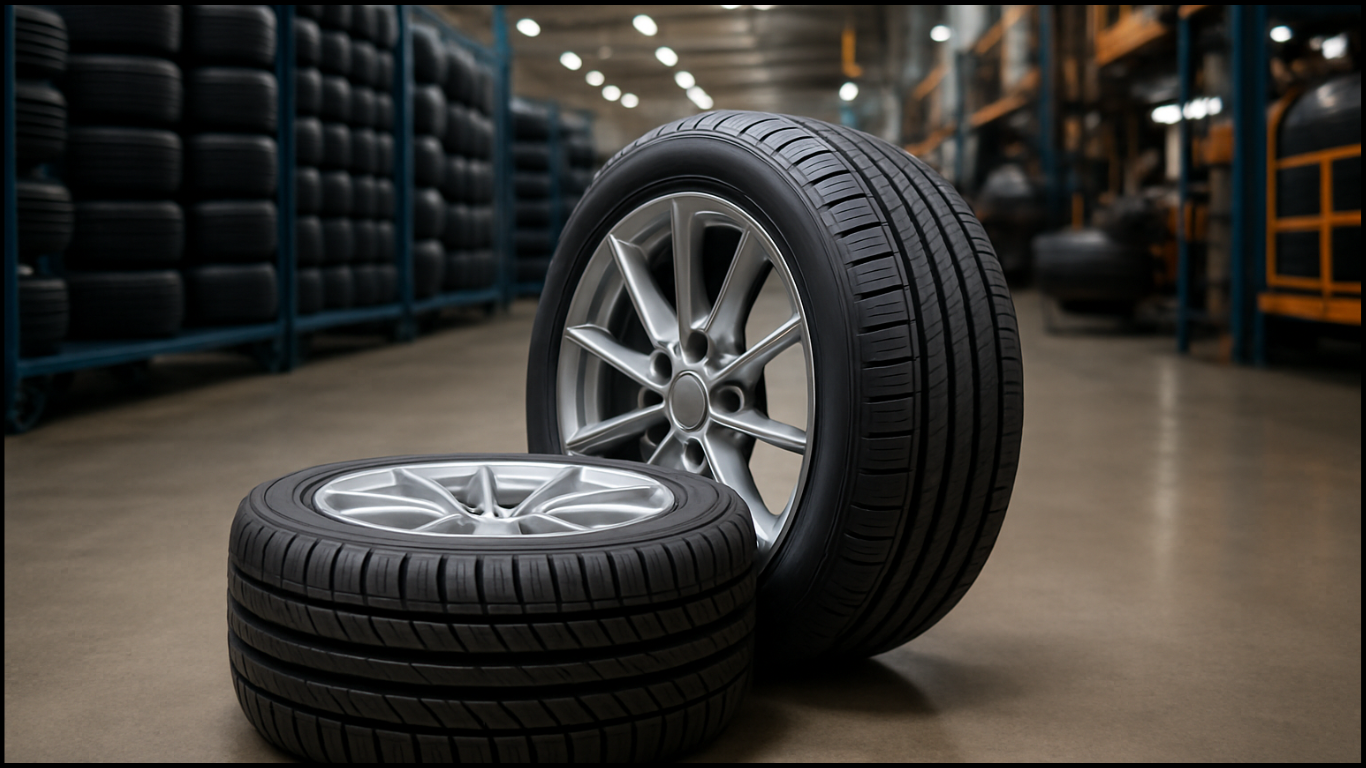
In the automotive industry, corrosion of metal components during storage can cause significant losses. Moisture is the main driver of this deterioration, especially in environments with high relative humidity. To…
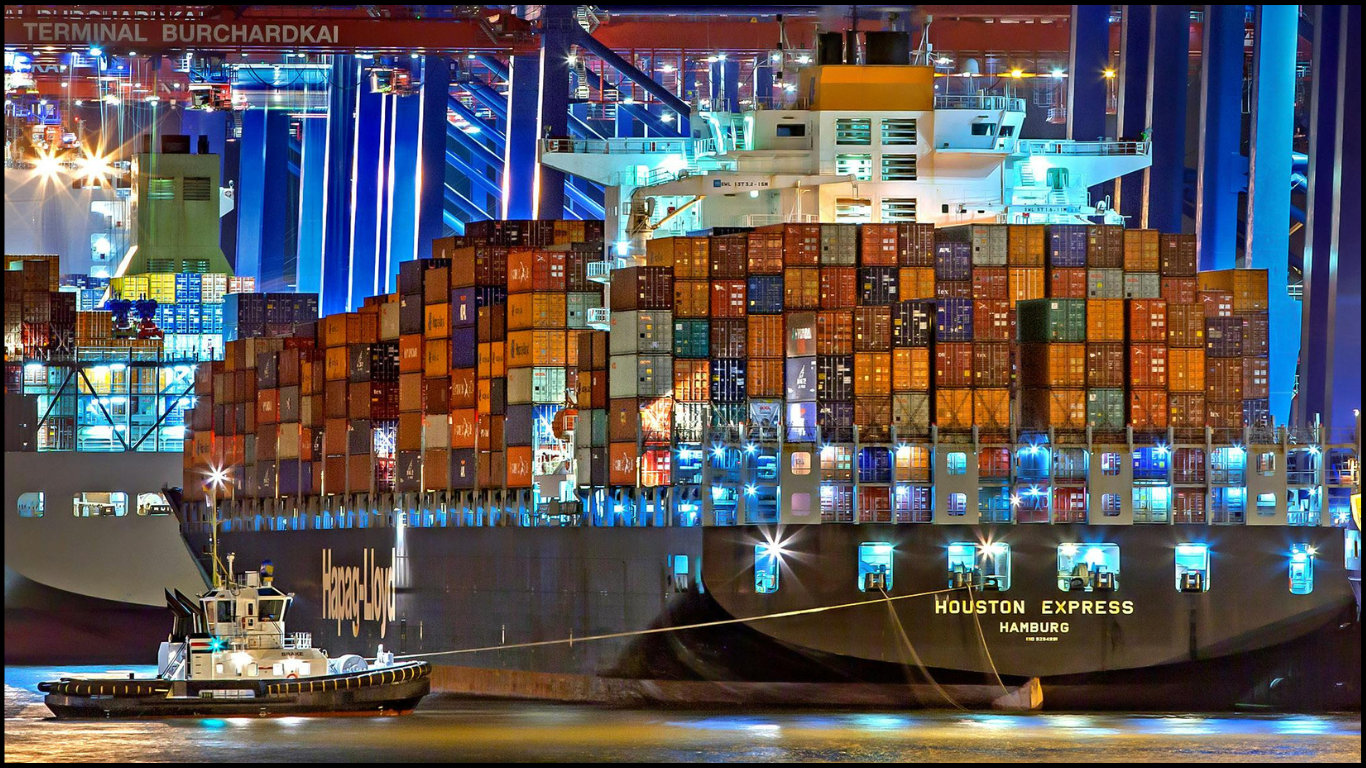
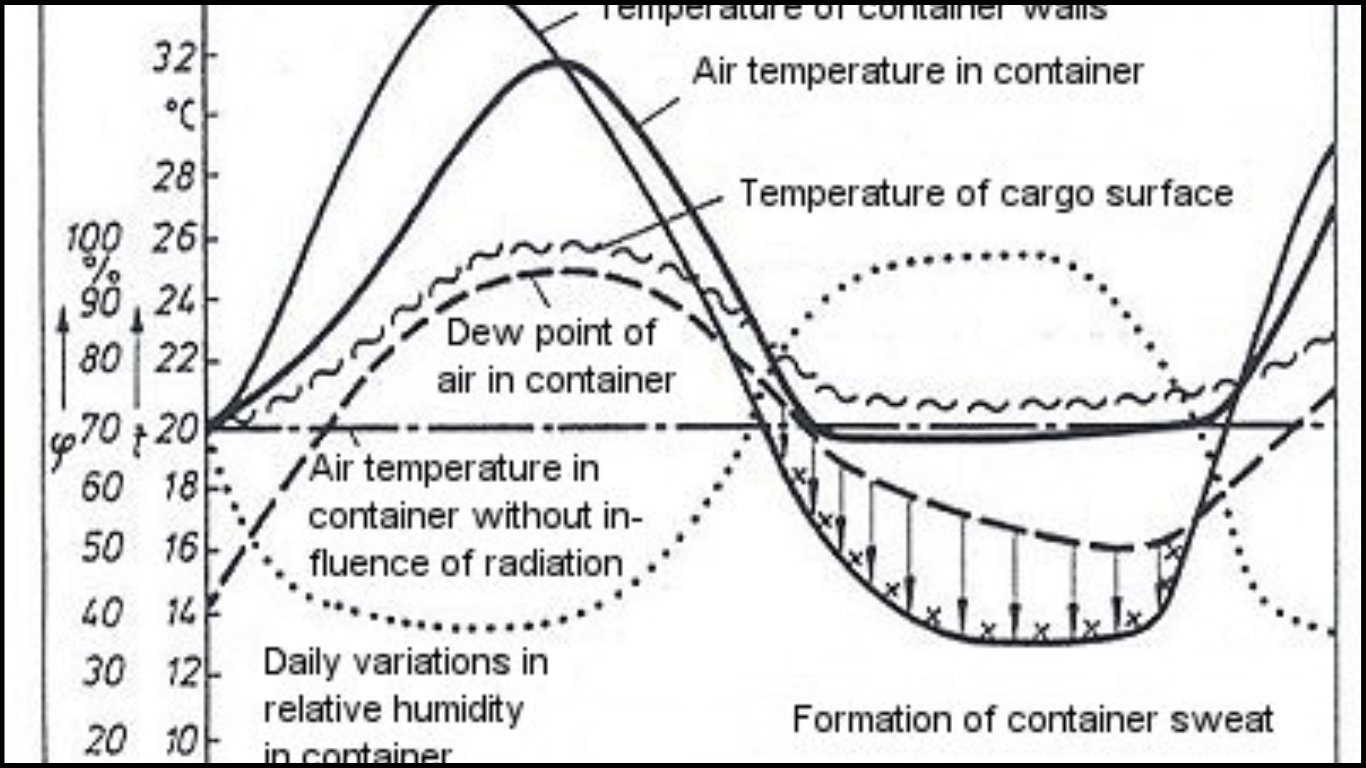
In ocean freight, protecting a shipping container and its cargo is essential to avoid financial losses and make sure products arrive at their destination in perfect condition. Moisture is one of the main risks, as it can cause mold, corrosion and deterioration.
When shipping goods by sea, it is crucial to make sure products arrive in optimal condition, especially when they face humid conditions during transport. This is where desiccants such as…
What are desiccant bags and how is their relative humidity absorption capacity measured? Desiccant bags are essential for protecting sensitive products from ambient moisture, especially during storage, transport or export.…
Compressed air leaves the compressor loaded with moisture. If it reaches the installation like that, it causes corrosion in pipes, failures in valves and cylinders, and defects in processes such…
If you manufacture or install windows, you already know that the worst failure of insulating glass (also called double glazing or an insulating glass unit, IGU) is condensation appearing between…
Activated carbon removes odors and silica gel or Clay control moisture. This is how they work together to protect textiles and footwear.
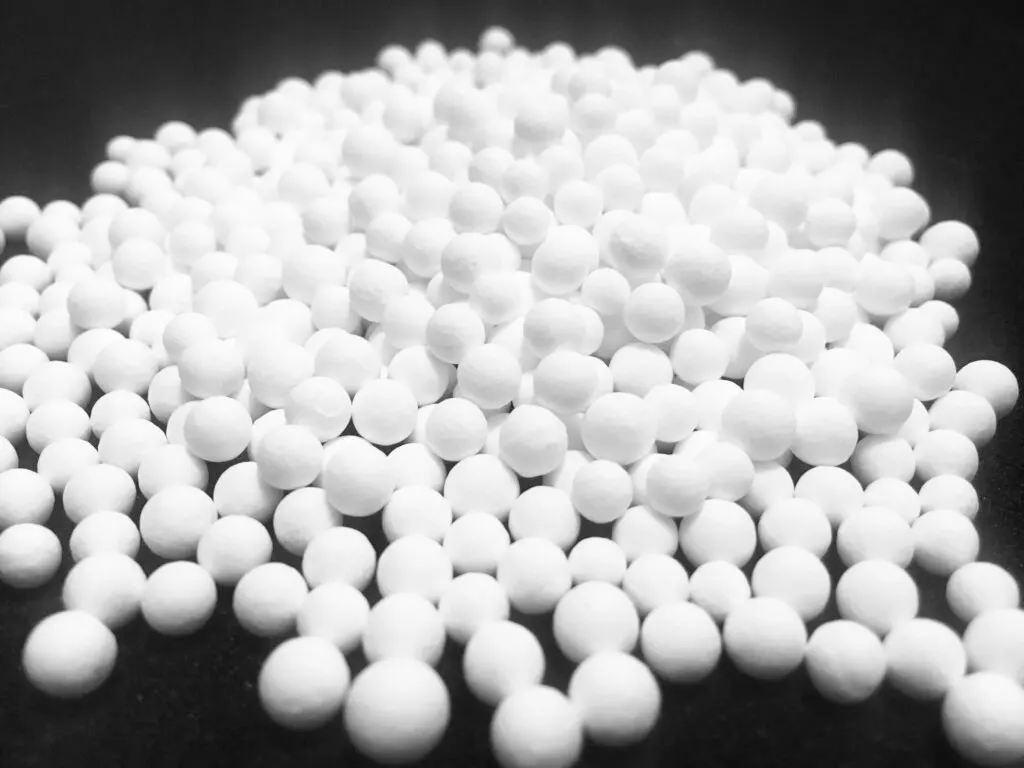
The silica gel (or silica gel) is the most widely used desiccant to protect products from moisture. It is those translucent beads you find in a sachet inside a box…
Adsorption compressed air dryers use a desiccant to retain moisture from the air. In most units that desiccant is activated alumina, but when the process needs extremely dry air, alumina…